North Carolina DMV Practice Test
Free, full North Carolina practice tests right here in your browser — state-configured test length, diagnostic and adaptive modes, spaced-repetition review, and a readiness dashboard. No signup, no paywall — your progress is saved automatically on this device.
Official North Carolina handbook: North Carolina Driver Handbook
Before the North Carolina knowledge test
These learner's permit requirements are separate from the written knowledge test score above. Use them to plan your application and supervised-driving timeline.
What to bring to the knowledge test:
- Driving Eligibility Certificate (from school)
- Driver Education Certificate (30-hour classroom + 6-hour behind-the-wheel)
- Parent or guardian signature on the application, and presence at the test
Requirements last verified 2026-07-13 · Source: NCDMV — Graduated Driver License Informational Handout (DL-214, Rev. 06-26) ↗. See the complete North Carolina permit requirements.
Sample North Carolina permit test questions
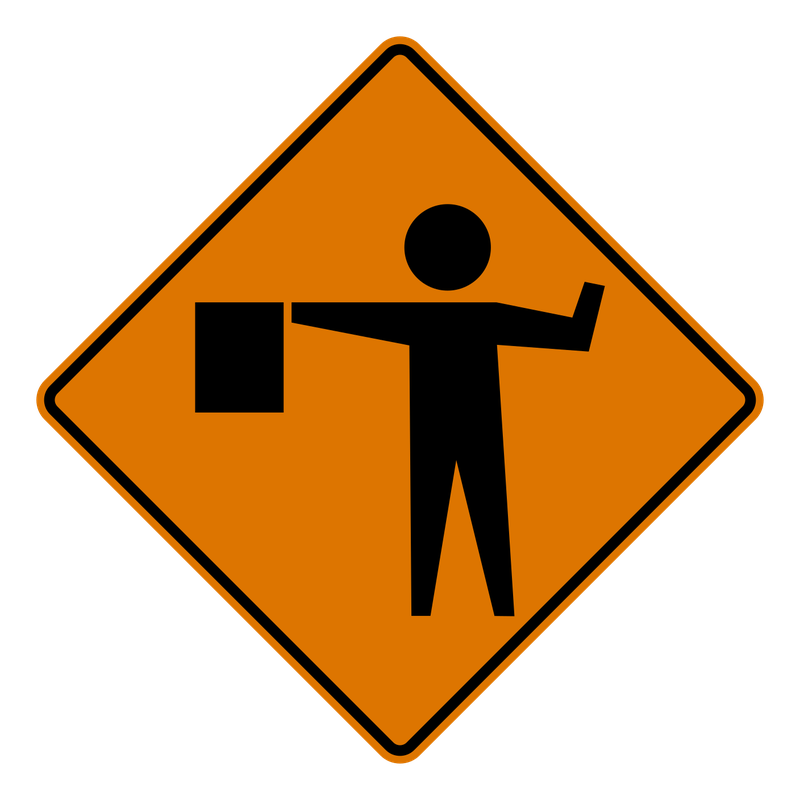
Orange-colored signs indicate:
- A. School zones
- B. Recreational areas
- C. Railroad crossings
- D. Construction zones
Show answer
D. Construction zones — Orange signs warn about construction or maintenance work zones. Slow down, watch for workers and equipment, and be ready for changing lane patterns.
Universal rule · checked against MUTCD 11th Edition, Part 2 — Signs (General) — Traffic Signs — General · verified 2026-08-01
What is 'jaywalking' and what are the risks?
- A. Walking on a bike path
- B. Crossing the road outside a designated crosswalk or against a traffic signal
- C. Riding a bicycle on a sidewalk
- D. Walking against a WALK signal when no cars are visible
Show answer
B. Crossing the road outside a designated crosswalk or against a traffic signal — Jaywalking is crossing outside marked crosswalks or against signals. Drivers don't expect pedestrians mid-block, reducing their time to react. Jaywalking pedestrians are at far higher risk than those using legal crossings.
Universal rule · checked against NHTSA Pedestrian Safety — Pedestrian Safety · verified 2026-08-01
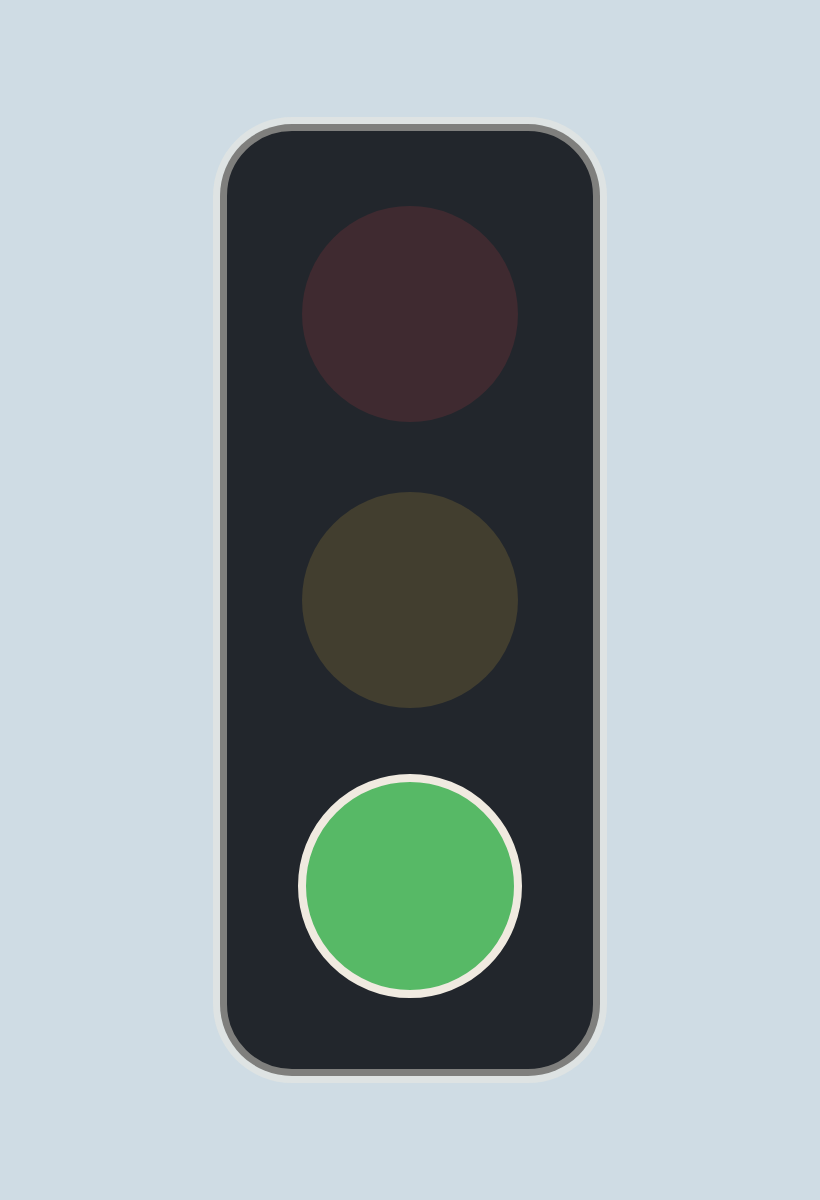
A solid green traffic light means:
- A. You have the absolute right-of-way
- B. Proceed through the intersection if it is clear
- C. Stop before entering the intersection
- D. Pedestrians must wait
Show answer
B. Proceed through the intersection if it is clear — A solid green light means you may proceed through the intersection if it is clear and safe. You must still yield to pedestrians and vehicles lawfully in the intersection.
Universal rule · checked against MUTCD 11th Edition, Part 4 — Highway Traffic Signals — Highway Traffic Signals · verified 2026-08-01
What is 'cutting someone off' and why is it dangerous?
- A. Overtaking at a legal speed
- B. A maneuver that only applies when the other vehicle is in your blind spot
- C. Only dangerous on highways
- D. Changing into a lane ahead of another vehicle without adequate clearance, forcing them to brake or swerve
Show answer
D. Changing into a lane ahead of another vehicle without adequate clearance, forcing them to brake or swerve — Cutting off occurs when you move in front of a vehicle with insufficient clearance, forcing them to brake hard. Beyond being aggressive and potentially illegal, it creates a sudden stop hazard for vehicles behind the cut-off driver.
Universal rule · checked against NHTSA Ten Tips for Safe Driving — Safe Driving Basics · verified 2026-08-01
What is the 'four-second rule' and when does it apply?
- A. A rule only for commercial drivers
- B. The time required to signal and check mirrors before a lane change
- C. A parking distance rule
- D. Extending the standard three-second gap to four or more seconds in adverse conditions
Show answer
D. Extending the standard three-second gap to four or more seconds in adverse conditions — The 4-second rule extends the standard three-second following distance for adverse conditions where stopping distance increases: wet or icy roads, fog, heavy cargo, towing, fatigue, or night driving. The more dangerous the conditions, the larger the safety margin needed.
Universal rule · checked against NHTSA Safe Driving — Four-Second Rule Application · verified 2026-07-28
Frequently asked questions
How many questions are in this North Carolina DMV practice test?
This practice test uses 25 questions and a 80% study target — at least 20 correct answers. Confirm the current official exam format with the state licensing agency.
What score should I target for the North Carolina written test?
Use 80% as the practice target on this site. The readiness dashboard tracks consistent performance; the state agency remains the source for current official requirements.
Is this North Carolina practice test really free?
Yes. Every practice test on this page and everything in the DMV Prep app is free — no ads, no paywall, no account.
Where do these North Carolina practice questions come from?
Questions use North Carolina Driver Handbook and other handbook or regulatory references, and are not copied from live exams. Citation scope and recency are being revalidated across the bank.
Can I study for the North Carolina permit test in Spanish?
Yes — try the North Carolina practice test in Spanish. The DMV Prep app includes all 3,470+ questions in Spanish.