Idaho Motorcycle Permit Practice Test
Free, full Idaho motorcycle permit test practice right here in your browser — 25 questions with a configured 80% practice threshold, diagnostic and adaptive modes, spaced-repetition review, and a readiness dashboard. No signup, no paywall — your progress is saved automatically on this device.
Idaho motorcycle requirements
| Helmet required | 17 and younger Who the state requires to wear a helmet. Local rules and eye-protection requirements can differ. |
|---|
Compiled from state statutes by IIHS motorcycle helmet use laws table ↗, not published by the state agency. Helmet and equipment rules change — confirm current requirements with your state licensing agency.
Primary study source: Idaho Motorcycle Operator's Manual ↗. Always confirm state-specific licensing rules with your state licensing agency.
Sample Idaho motorcycle permit test questions
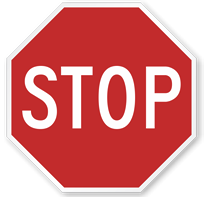
If you see this sign, you should:
- A. Merge right immediately
- B. Slow down and yield if traffic is present
- C. Come to a complete stop before proceeding
- D. Flash your headlights
Show answer
C. Come to a complete stop before proceeding — A stop sign (red octagon) requires a complete stop at the stop line before proceeding. You must yield to all traffic and pedestrians in or approaching the intersection.
Universal rule · checked against Federal Highway Administration / NHTSA — Traffic Signs — Regulatory · verified 2026-06-07
In Idaho, which motorcyclists are required to wear a helmet?
- A. Riders age 17 and younger
- B. All riders regardless of age
- C. Riders age 21 and older
- D. No one
Show answer
A. Riders age 17 and younger — Idaho requires a helmet for operators and passengers who are 17 or younger. Riders 18 and older are not legally required to wear one, though it is strongly recommended.
Source: Idaho Motorcycle Operator Manual — Helmet requirements — minors · verified 2026-06-25
When riding at night behind another vehicle, you should:
- A. Use high beams to see past them
- B. Use low beams to avoid blinding the driver ahead
- C. Turn off your headlight
- D. Ride in their blind spot
Show answer
B. Use low beams to avoid blinding the driver ahead — Use low beams when following other vehicles to avoid blinding them through their mirrors.
Universal rule · checked against Motorcycle Safety Foundation Motorcycle Operator Manual — Ride Within Your Abilities - Riding at Night · verified 2026-05-17
When riding in rain, the most dangerous time is:
- A. During the first few minutes when oil and water mix on the surface
- B. During heavy downpours only
- C. When the rain stops, after the road has already been washed clean
- D. After it has rained for an hour
Show answer
A. During the first few minutes when oil and water mix on the surface — Roads are most slippery during the first few minutes of rain as water mixes with oil and residue on the surface.
Universal rule · checked against Motorcycle Safety Foundation Motorcycle Operator Manual — Ride Within Your Abilities - Handling Dangerous Surfaces and Riding at Night · verified 2026-05-17
When being passed by another vehicle, you should:
- A. Speed up to prevent the pass
- B. Maintain speed and lane position
- C. Brake suddenly
- D. Swerve toward the passing vehicle
Show answer
B. Maintain speed and lane position — Maintain your lane position or move to the far side of the lane. Do not speed up or change speed unpredictably.
Universal rule · checked against Motorcycle Safety Foundation Motorcycle Operator Manual — Ride Within Your Abilities - Lane Positions and Passing · verified 2026-05-17

Questions last verified 2026-05-17 · Reviewed by the DMV Prep editorial team · Editorial policy
Frequently asked questions
How many questions are in this Idaho motorcycle permit test practice test?
This practice test uses 25 questions and a 80% study target — at least 20 correct answers. Confirm the current official exam format with the state licensing agency.
Can I take the Idaho motorcycle permit test online?
Check with the Idaho licensing agency — most states require the knowledge test in person at a licensing office, while some offer an online option, usually with age or supervision restrictions. Either way, the practice tests on this page work anywhere, so you can walk in ready.
What score should I target for the Idaho motorcycle permit test?
Use 80% as the practice target on this site. The readiness dashboard tracks consistent performance; the state agency remains the source for current official requirements.
Is this Idaho motorcycle permit test practice really free?
Yes. Every practice test on this page and everything in the DMV Prep app is free — no ads, no paywall, no account.
Where do these motorcycle permit test questions come from?
Questions use Idaho Motorcycle Operator's Manual and applicable licensing references. Citation scope and recency are being revalidated across the bank.
Can I study for the Idaho motorcycle permit test in Spanish?
Yes — the DMV Prep app includes all 3,671+ questions in Spanish, and the whole app works in Spanish.